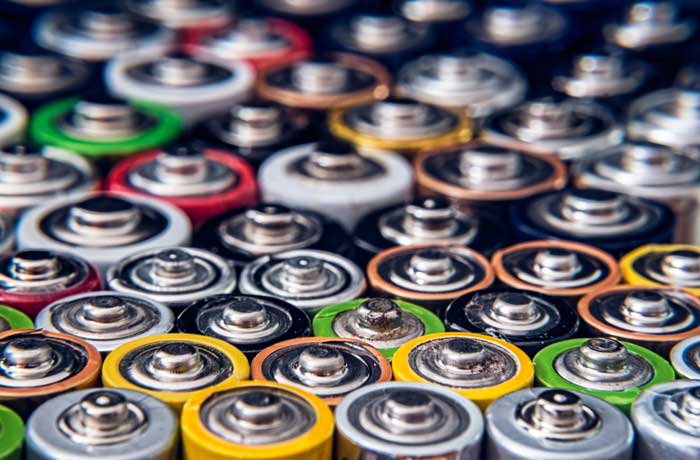
When designing a battery-operated medical device, selecting the battery cannot be postponed. The industrial design, human factors and mechanical engineering team members will be blocked from progressing with their designs until they know the size of the batteries and...
When developing wireless communication solutions, three things matter: security, performance, and cost of implementation. As data analytics and monitoring become increasingly prevalent, customers are wanting their devices connected. The problem is simple, “How can I...
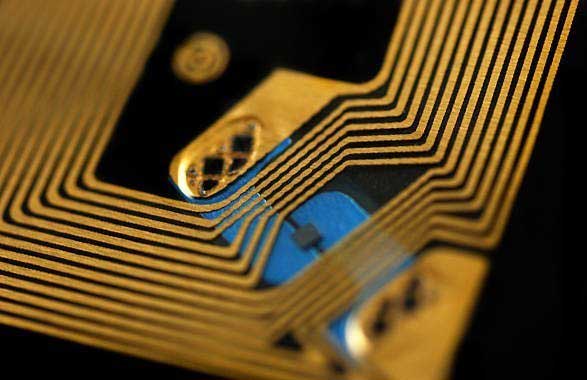
Do you have a medical design needing a low-cost, short-range wireless solution for preventing disposable part reuse and counterfeiting? Do you need a radio-frequency identification (RFID) reader capable of reading RFID passive tags but are frustrated by the high cost...
Cybersecurity is a quickly evolving and critical aspect of any medical device software development effort. Much of the focus and discussion has been centered around devices with network connectivity or cloud-based services. However, a critical aspect that is not often...
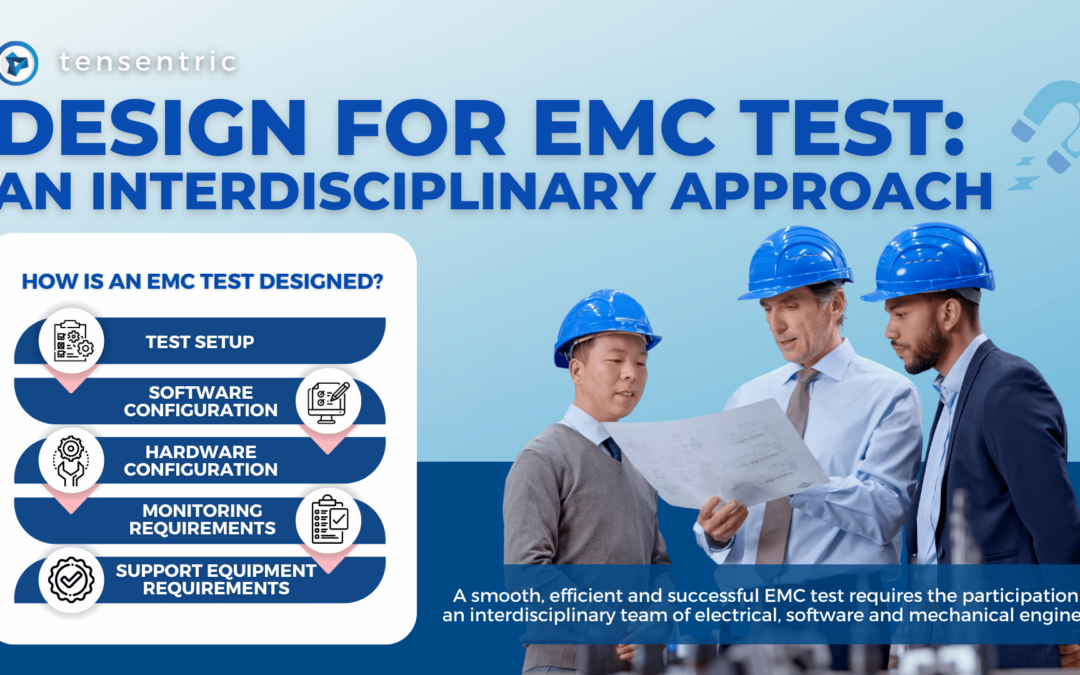
Designing a medical device to meet the IEC 60601-1-2 4th edition Electromagnetic Compatibility (EMC) standards is notoriously difficult. Making matters worse, the details of what goes on during EMC testing is cloaked in mystery to many engineers. Regardless of the...